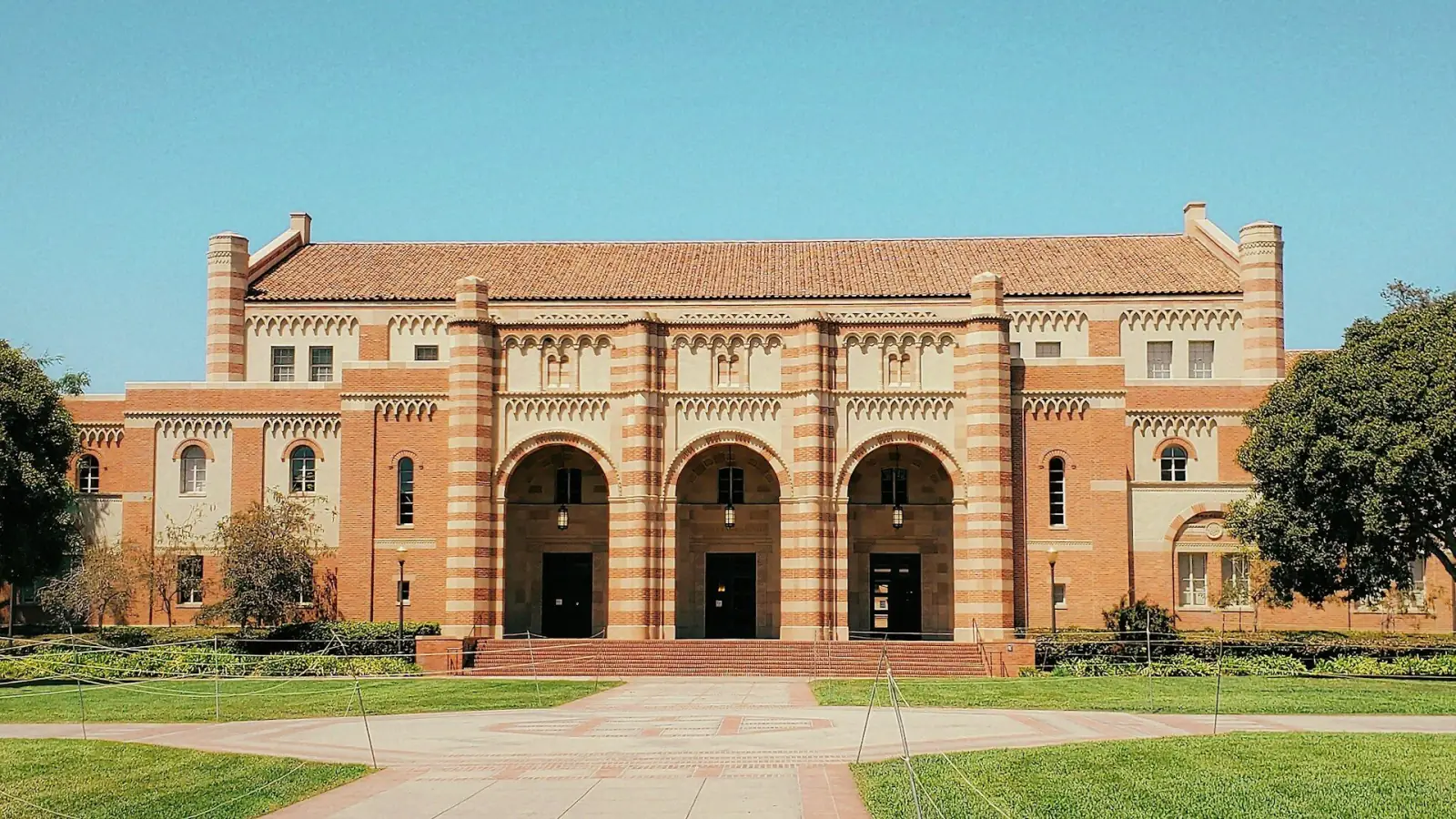
UCLA’s sprawling campus, with its iconic Royce Hall, has always been a beacon for those seeking academic and research excellence. So, when I got the opportunity to attend the mHTI Summer Training Program in 2023, it was a dream come true.
The NIH mHealth Training Institute (mHTI) serves as an incubator for developing transdisciplinary scientists capable of co-creating mHealth solutions to tackle some of the most challenging healthcare problems. With the promise of hands-on experience, it equips scholars to harness the power of mHealth tools in addressing health challenges of the modern world.
The program was held in person at the Luskin Conference Centre, UCLA between 16-20 July 2023. There were 29 scholars from across the United States + me (!) traveling all the way from Singapore. But we didn’t all meet there. Before the in-person program began there was some intensive pre-reading, lectures from some of the leading researchers in mHealth (available at the mDOT Centre Youtube channel) and online meet-ups so that we could get to know each other.
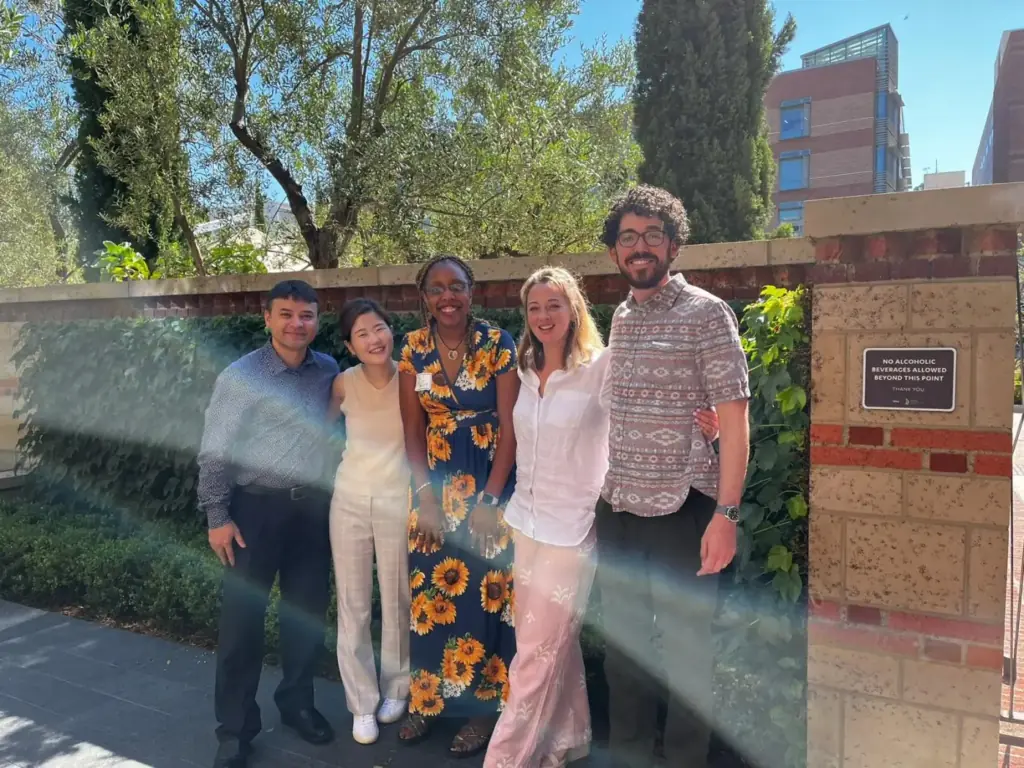
The main focus of the NIH mHealth Training Institute (mHTI) is on team science. We were placed into teams of 5 – each one of us with a different research background – and we were tasked with identifying a pressing healthcare challenge that we thought we could work together to solve. I was in Team 1 (pictured below), together with Frank Schwebel (University of New Mexico), MJ Yang (Moffitt Cancer Centre), Phyllis Raynor (University of South Carolina) and Mobashir Shandi (Duke University). Together we talked about our expertise and interests and decided to focus on how we might help people with opiod use disorder, which claimed over 100,000 lives in the United States in 2021 alone.
Program Highlights
Networking Opportunities: The program provided a platform for attendees to mingle with the who’s who of mHealth. I was fortunate to have insightful discussions with leading researchers, professors, and funders coming from a range of backgrounds, planting seeds for future collaborations.
Team Science: This was the soul of the program. From coding bootcamps to understanding UX/UI for medical apps, the workshops were tailored to equip us with skills for the future.
Learning and Sharing: A series of lectures by seasoned professionals from companies at the forefront of mobile health gave us an inside look at real-world applications and challenges.
Group Projects: Here’s where ideas were put to the test. We formed teams, brainstormed, and prototyped our own mobile health solutions. The synergy during these sessions was palpable, with each member bringing their expertise to the table.